Introduction
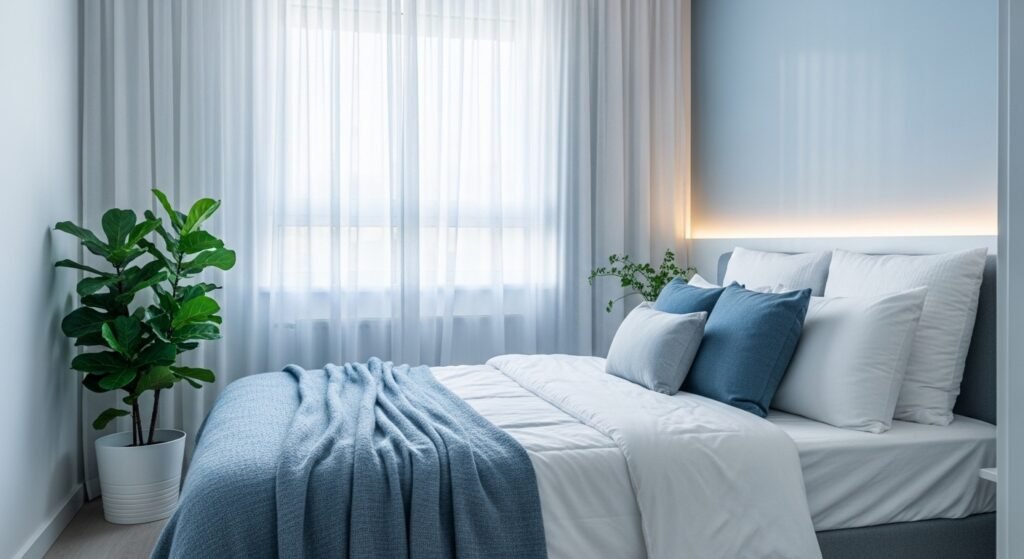
Besides your mattress or routine, one of the most important factors to getting quality sleep is your sleep environment. When setting your sleep environment, consider your bedroom color too. Colors can affect your mood and anxiety. They can also affect your brain activity. Here, we cover the best bedroom color combinations for better sleep.
We also explain how to pair these colors, based on psychological research.
Why Bedroom Color Matters for Sleep
Your brain responds strongly to color. Activity level is one area it can affect across the color spectrum. The hue and saturation of a color often define how it affects your nervous system and related behaviors:
- Cool colors (blue;light blue;green;light green) → relaxing;calming
- Warm colors (red;orange) → energizing;invigorating
- Neutral colors (black;gray;white) → balanced, comforting.
Therefore, the bedroom color you choose is very important.
It can help improve your sleep quality.
It can also help reduce anxiety.
Choose the right shade for your bedroom.
Best Bedroom Colors for Better Sleep
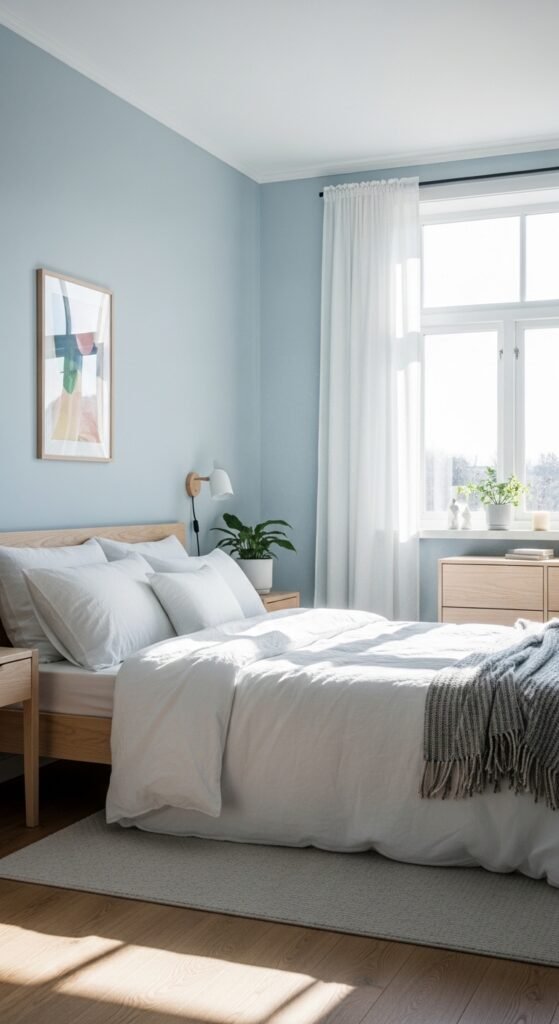
1. Soft Blue – The Ultimate Sleep Color
According to sleep experts, blue is considered one of the best colors for sleep. Studies have shown that blue colored walls can reduce your heart rate and lower your blood pressure.
How it works:
- Calms the mind
- Reduces stress
- Mimics the colour of sky
Best color combinations for blue:
- Soft blue + white
- Blue + light grey
- Navy blue + beige
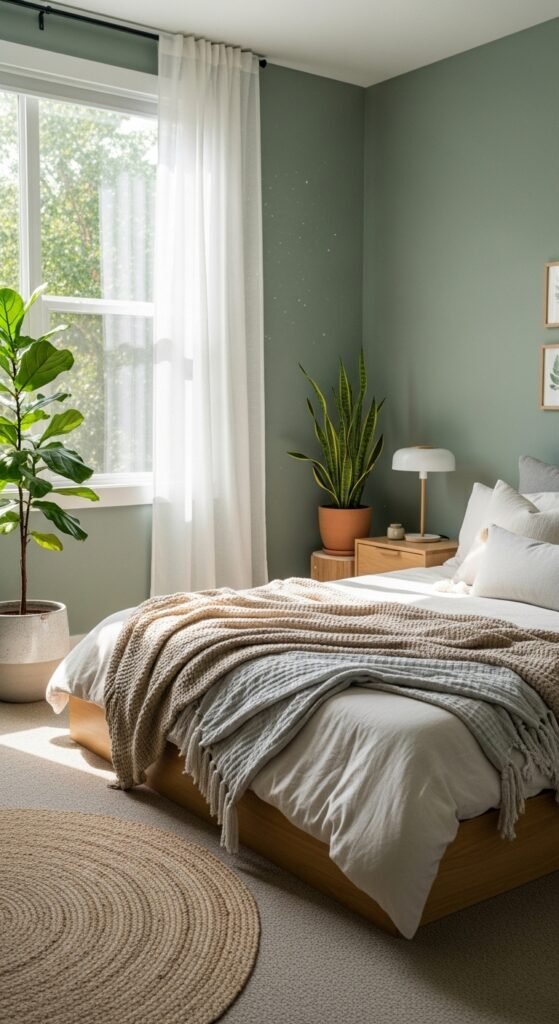
2. Gentle Green – Nature-Inspired Calm
Green represents balance/harmony, so it’s an ideal color to paint your bedroom walls for restful sleep.
Why it works:
- Relieves stress
- Helps enhance emotional stability
- Appears soft on the eyes
Here are the best color combinations with green:
- Sage Green + Cream
- Olive Green + Warm Wood Tones
- Mint Green + White
3. Warm Neutrals – Cozy and Relaxing
The use of neutral colors provides a soothing environment, with no overstimulation.
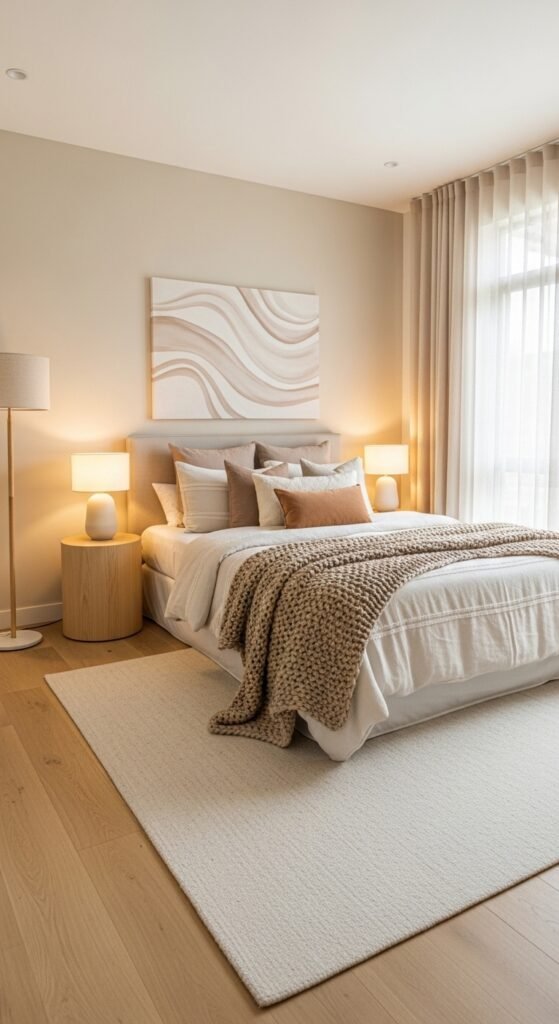
Why it works:
- Provides comfort
- Reduces Visual Clutter
- Complements all design styles
Here are the best color combinations with neutral colors:
- Beige + White
- Taupe + Soft Brown
- Cream + Light Grey
4. Lavender – Soft and Serene
Lavender combines the calmness of blue and the warmth of red.
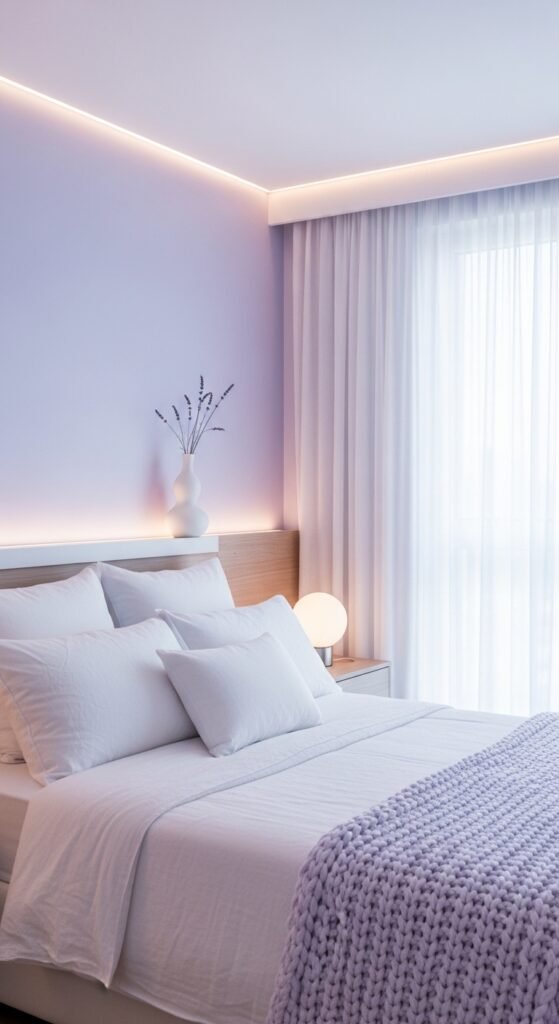
Why it works:
- Helps promote relaxation
- Reduces Anxiety
- Creates a Peaceful Vibe
Here are the best color combinations with lavender:
- Lavender + White
- Lavender + Silver Grey
- Light Purple + Soft Beige
5. Soft Grey – Modern and Calm
Grey is also versatile and can create a calming and sophisticated bedroom.
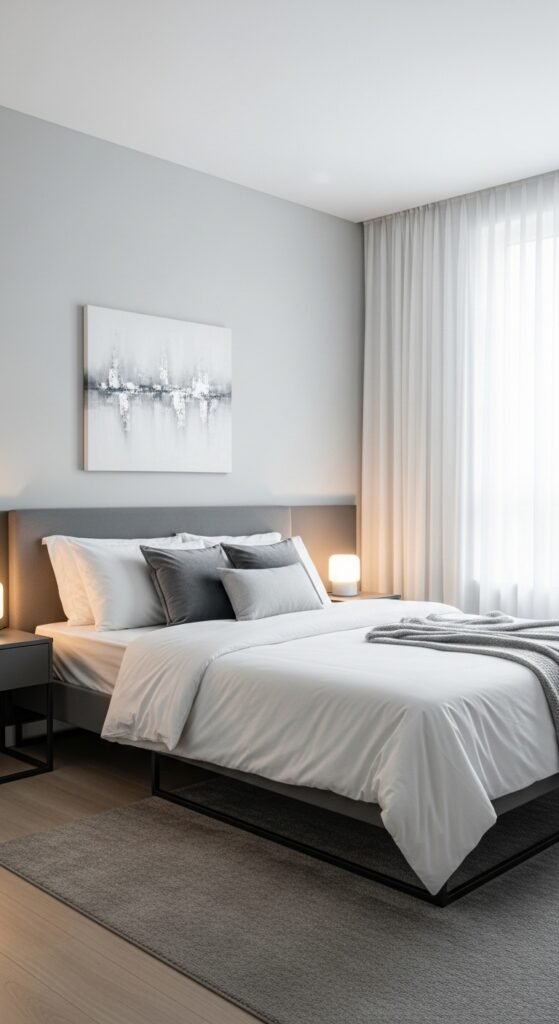
Why it works:
- Neutral/Balanced Color
- Reduces Overstimulation
- Helps Visitors Experience Other Calming Colors
Here are the best color combinations with grey:
- Grey + Pastel Blue
- Grey + Blush Pink
- Charcoal + White
Bedroom Color Combinations That Improve Sleep
Choosing a single color is helpful—but combining colors correctly can elevate your sleep environment.
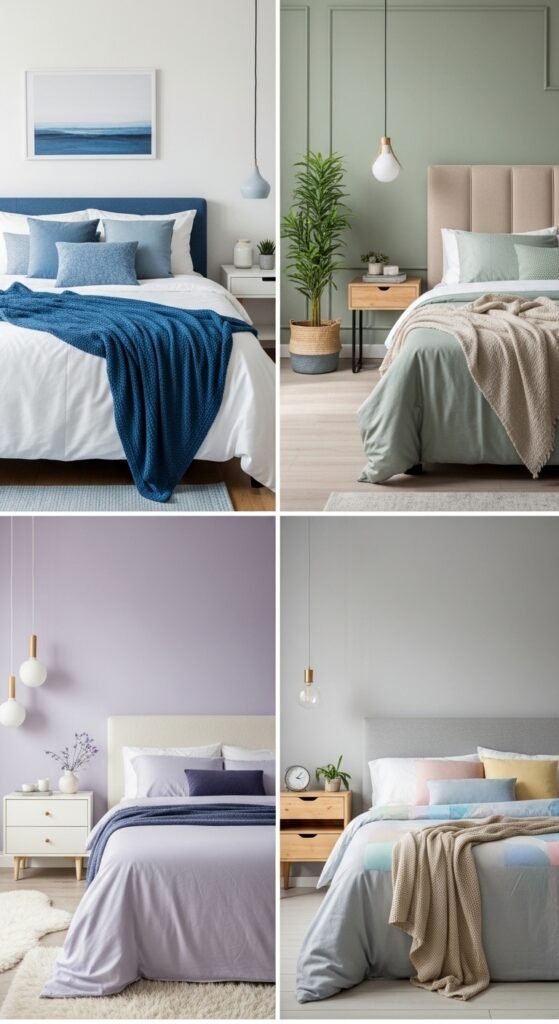
Blue + White
A clean, airy combination that promotes peace and clarity.
Green + Beige
Brings nature indoors while keeping the room warm and inviting.
Grey + Pastel Shades
Creates a modern yet calming atmosphere.
Lavender + Cream
Soft, elegant, and deeply relaxing.
Colors to Avoid in the Bedroom
Not all colors are sleep-friendly. Some can actually disrupt your rest.
Bright Red
- Increases heart rate
- Creates intensity and energy
Neon Colors
- Overstimulating
- Distracting for the brain
Dark Purple (too intense)
- Can feel heavy or dramatic
- May reduce relaxation
How to Choose the Right Bedroom Color for Better Sleep
When selecting your bedroom colors, consider these factors:
1. Lighting
Natural and artificial light can change how colors appear. Always test shades before finalizing.
2. Room Size
- Small rooms → lighter colors
- Large rooms → can handle deeper tones
3. Personal Preference
While psychology matters, comfort is key. Choose shades that make you feel relaxed.
Tips to Enhance Sleep with Color
- Choose soft, matte finishes rather than gloss when painting.
- Use the same fabrics for bedding and curtains to create harmony.
- Do not have too many colors contrasting each other.
- Use a limited number of colors (two to three maximum) for your color scheme.
Conclusions
Your bedroom is an escape from the world and should feel comfortable.
It should help you relax at home.
This is directly affected by the color palette you choose for your space. By choosing the best color palette for your room, you can create a space that supports restful sleep. This can help improve your sleep quality.
Your best selections include soft blue tones, soft green tones, and neutral warm. Combine and coordinate them correctly. Avoid colours that feel too stimulating. Keep your space and design as simple as possible.
A single change in colour may affect sleep, too. Therefore, choose your colours wisely to improve overall sleep quality.