


Understanding Hair Growth
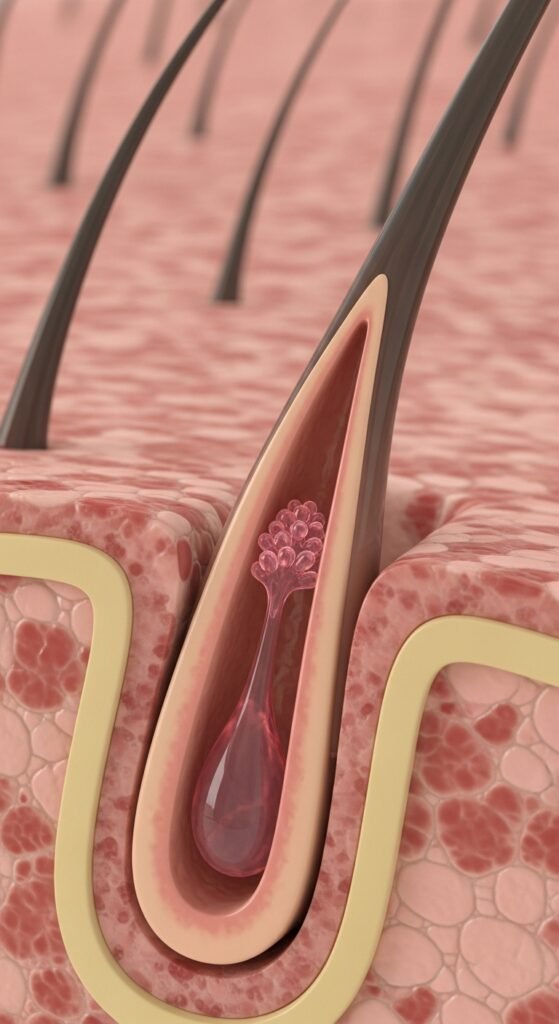
The process of hair growth is a complex biological phenomenon involving a series of phases commonly referred to as the hair growth cycle. This cycle is comprised of three primary stages: anagen, catagen, and telogen. Understanding these phases is crucial for anyone interested in promoting healthy hair growth through natural methods.
The anagen phase is the active growth stage. During this period, hair follicles are actively producing hair, and this phase can last several years, with the duration varying significantly among individuals. Factors such as genetics, health, and nutrition play a vital role in how long hair remains in this growth phase. A healthy diet rich in vitamins and minerals can potentially prolong the anagen phase, resulting in longer hair.
The second phase is known as the catagen phase, which is a transitional phase lasting about two to three weeks. During this time, hair growth slows, and the follicles begin to shrink in preparation for the next phase. This period may not be directly influenced by external factors; however, maintaining overall scalp health can ensure a smoother transition between the growth stages.
The final stage is the telogen phase, where hair follicles are dormant for about three months. At this point, old hairs remain in the follicle while new hairs begin to form. Understanding this phase is essential, as a significant number of hairs entering telogen can naturally lead to shedding. External factors such as stress, hormonal changes, and nutritional deficiencies can disrupt this cycle, leading to hair loss.
In conclusion, a comprehensive understanding of the hair growth cycle enhances one’s ability to nurture hair health naturally. By recognizing how each phase functions and the various influential factors, individuals can better appreciate the importance of natural interventions to support and encourage healthy hair growth.


Nutrition for Healthy Hair
Nutrition plays a crucial role in promoting healthy hair growth and maintaining its overall quality. The hair is primarily composed of a protein called keratin, which necessitates a diet rich in various nutrients that contribute to its strength and vitality. Key vitamins and minerals are essential for this purpose.
Vitamin A is vital for cell growth and helps skin glands produce sebum, which keeps the scalp moisturized. Foods rich in Vitamin A include sweet potatoes, carrots, and dark leafy greens. Similarly, Vitamin C acts as an antioxidant and aids in collagen production, essential for hair structure. Fruits like oranges, strawberries, and kiwi are excellent sources of this vitamin.
Vitamin D is another crucial nutrient, often associated with healthy hair follicles. While sunlight is a natural source, foods such as fatty fish, liver, and fortified dairy products can help boost Vitamin D levels in your diet. Along with these vitamins, Vitamin E contributes to hair health by improving blood circulation in the scalp and acting as an antioxidant.
Biotin, often referred to as Vitamin H, is particularly important for hair health. This vitamin can be found in eggs, nuts, and whole grains, and is known to strengthen hair and stimulate its growth. Additionally, essential minerals like Zinc and Iron are necessary; Zinc supports tissue growth and repair, while Iron helps deliver oxygen to hair follicles to maintain their health.
Incorporating Omega-3 fatty acids, found in fish, flaxseeds, and walnuts, can also significantly enhance hair density and shine. Lastly, adequate protein intake, through sources such as lean meats, beans, and legumes, is vital to support hair structure. To ensure nutritional balance, consider a diverse diet, supplemented when necessary, to promote optimal hair health.

Natural Remedies to Promote Hair Growth
Maintaining healthy hair requires not just proper care but also the encouragement of natural growth processes. Utilizing natural remedies is an effective strategy to promote hair growth with ingredients readily available at home. Essential oils, herbal treatments, and natural masks stand out as potent options in this regard.
One of the most acclaimed essential oils for hair growth is rosemary oil. Known for its ability to strengthen hair follicles and stimulate circulation, it can be combined with a carrier oil like coconut or jojoba oil. To apply, mix a few drops of rosemary oil with the carrier oil, gently massage the mixture into the scalp, and leave it on for at least 30 minutes before rinsing. Similarly, lavender oil is noted for its calming scent and potential to promote hair regrowth; the application process is similar.
Aloe vera is another natural remedy that effectively promotes hair health due to its enzymatic properties, which reduce scalp irritation and if applied regularly can lead to improved hair growth. Simply scoop fresh aloe vera gel from the leaf and apply it directly to the scalp. Allow it to sit for about an hour before washing. Peppermint, known for its cooling effect, also aids in stimulating blood flow when diluted, and can be used similarly.
Natural masks incorporating ingredients like eggs, honey, and avocado also offer substantial benefits. For instance, a mask created from one egg yolk, one tablespoon of honey, and half an avocado can provide a protein-rich treatment. This blend should be applied to the hair and scalp and left for 30-45 minutes before rinsing off. Regular use of such masks can nourish your hair, thereby promoting healthy growth without the need for chemical treatments.
Proper Hair Care Routine
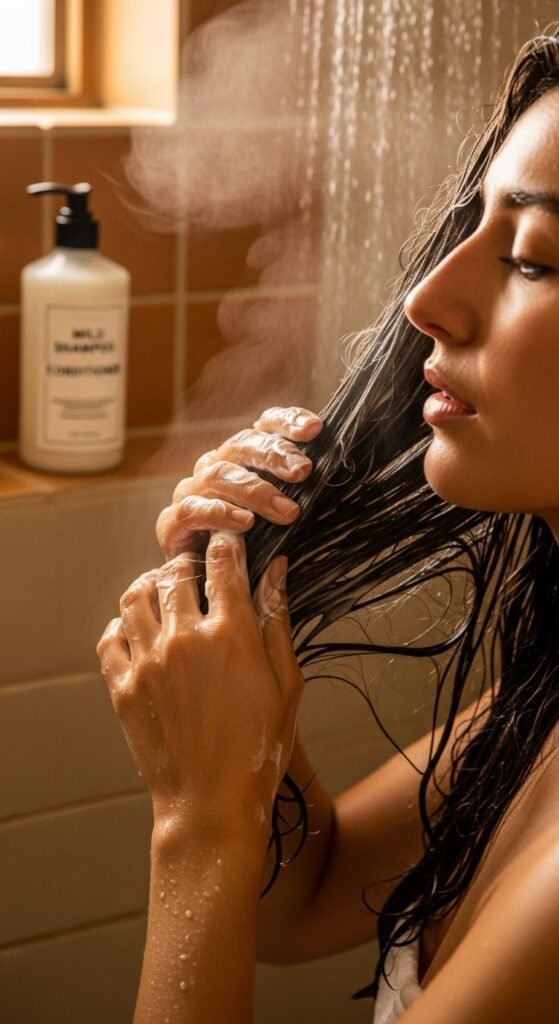
Maintaining a proper hair care routine is crucial for promoting healthy hair growth naturally. This routine should incorporate suitable washing techniques, an appropriate frequency of washing, and the selection of products that work best for one’s individual hair type.
Firstly, washing hair should be approached with care. It is recommended not to wash hair daily, as this can strip the scalp of natural oils, leading to dryness and damage. For most individuals, washing hair two to three times a week is adequate. When washing, it is important to use lukewarm water instead of hot, as high temperatures can cause hair cuticles to lift, making hair more prone to breakage.
Choosing the right products is another important aspect of a hair care routine. Opting for sulfate-free shampoos and gentle conditioners can help maintain moisture levels without stripping essential oils. Additionally, moisturizing products containing natural ingredients, such as coconut oil or shea butter, can nourish and enhance the hair’s natural shine.
After washing, one should consider the method of drying and styling hair. Gently blotting hair with a microfiber towel or an old cotton t-shirt can absorb excess moisture without causing friction that leads to frizz and breakage. To reduce heat exposure, it is advisable to air dry hair whenever possible. If heat styling is necessary, utilizing a heat protectant spray can minimize damage.
Additionally, one should pay attention to the tools being used, such as brushes and combs. Using a wide-toothed comb can help detangle hair without tugging or pulling, particularly when the hair is wet. It is also advisable to avoid tight hairstyles that can cause tension on the scalp and hair follicles.
Scalp Health and Hair Growth
The condition of the scalp plays a critical role in promoting healthy hair growth. A healthy scalp provides the optimal environment for hair follicles, enabling them to thrive and produce healthy strands. Conversely, common scalp issues such as dandruff, psoriasis, and scalp dermatitis can hinder this process, leading to hair thinning or loss.
Dandruff is a prevalent scalp condition characterized by flaking and irritation, often due to a dry scalp or excessive oil production. Regular cleansing with a gentle shampoo can help maintain scalp hygiene, reducing the risk of dandruff. This should be complemented by exfoliation, which can remove dead skin cells and build-up, allowing for better circulation and access for nutrients. Consider products that contain natural exfoliants such as tea tree oil or sugar, which can effectively address these issues without harsh chemicals.
Another common condition, psoriasis, results in patches of dry, red, scaly skin on the scalp, which can be both uncomfortable and unsightly. Managing psoriasis often involves specialized shampoos that contain active ingredients like salicylic acid or coal tar that can alleviate symptoms and promote a healthier scalp. Consultation with a healthcare professional is advisable for persistent cases.
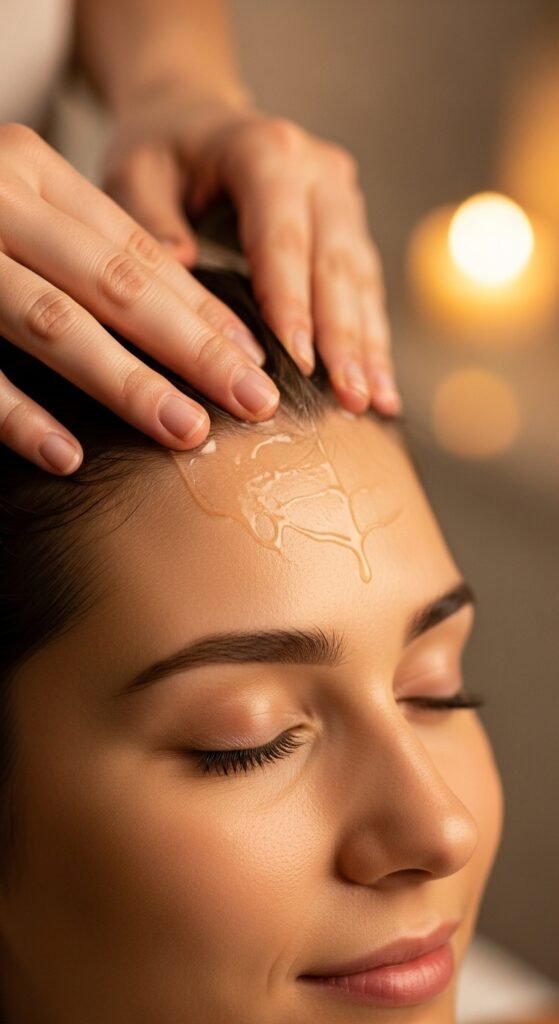
In addition to addressing scalp conditions, adopting a regular scalp massage routine can promote hair growth. Massaging the scalp stimulates blood circulation, enhancing the delivery of essential nutrients to hair follicles. Incorporating natural oils such as coconut or castor oil during the massage not only nourishes the scalp but also adds hydration, making it an effective strategy for maintaining healthy hair.
Furthermore, staying hydrated by consuming adequate amounts of water and maintaining a balanced diet rich in vitamins and minerals can significantly influence scalp health. Nutrients such as omega-3 fatty acids, biotin, and vitamins A, D, and E contribute to a robust scalp environment, ultimately supporting hair growth.

Lifestyle Habits that Support Hair Health
Maintaining healthy hair is often a reflection of one’s overall lifestyle choices. Factors such as sleep, stress management, and regular exercise play pivotal roles in promoting the vitality of hair. By understanding and improving these aspects, individuals can significantly enhance their hair health.
Quality sleep is fundamental for numerous bodily functions, including hair growth. During sleep, the body repairs tissues and produces hormones essential for hair follicles to thrive. Aim for 7-9 hours of uninterrupted sleep each night to support this natural cycle. Establishing a calming bedtime routine can enhance sleep quality, making it easier to fall asleep and stay asleep, thus providing the necessary time for the body to regenerate.
Furthermore, managing stress is crucial for hair health. Chronic stress can lead to hair loss and other detrimental effects on the body. Incorporating stress management techniques such as mindfulness practices, meditation, or yoga can help alleviate anxiety levels. Taking time for recreational activities, whether reading, gardening, or engaging in hobbies, can also be beneficial in managing daily stressors.
Physical activity is another important component of a healthy lifestyle that supports hair growth. Regular exercise improves blood circulation, which in turn enhances the delivery of essential nutrients and oxygen to hair follicles. Aim to include at least 150 minutes of moderate aerobic activity per week, along with strength training exercises at least twice a week. Simple changes, such as choosing to walk or bike instead of driving, can make physical activity a viable part of daily life.
In conclusion, adopting healthy lifestyle habits, including adequate sleep, effective stress management, and consistent exercise, can significantly contribute to robust hair growth. By prioritizing these practices, individuals can create an environment conducive to healthy hair while enhancing their overall well-being.
Avoiding Damaging Practices
To achieve and maintain healthy hair, it is essential to recognize and avoid practices that could be detrimental to its overall health. One of the most common culprits in hair damage is excessive heat styling. Frequent use of heated tools such as hair dryers, straighteners, and curling irons can lead to dryness, brittleness, and ultimately breakage. It is advisable to limit the use of these tools and, when necessary, apply a heat protectant spray to shield the hair from high temperatures.
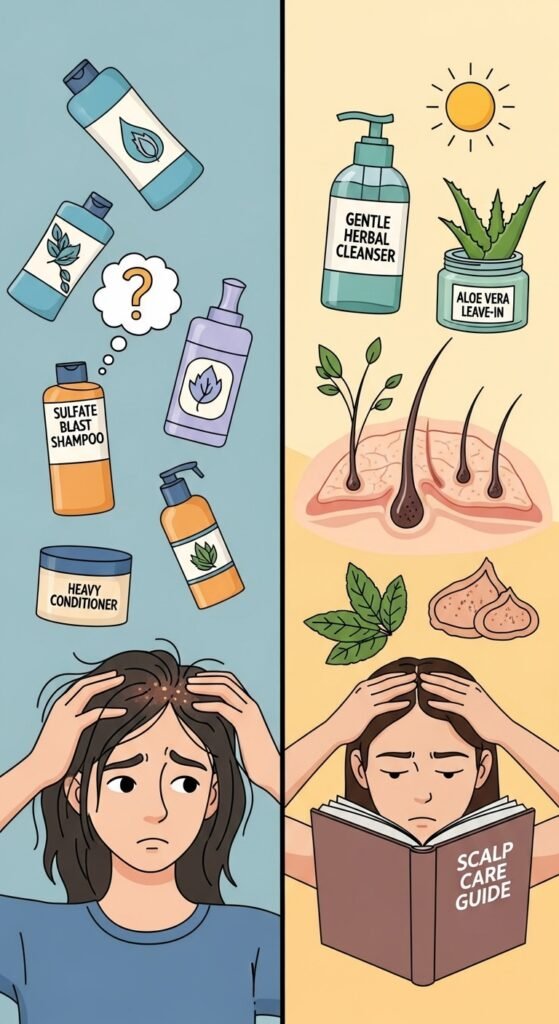
Another significant factor contributing to unhealthy hair is the use of harsh chemicals found in many hair products. These include sulfates, parabens, and certain alcohols, all of which can strip hair of its natural oils and disrupt its moisture balance. Opting for sulfate-free and organic products can help mitigate this risk. Additionally, making informed choices about hair color and treatment options is crucial; consider alternatives like natural dyes or less damaging methods.
Tight hairstyles, while fashionable, can also pose risks to hair health. Styles such as ponytails, braids, or buns that pull on the hair can lead to tension and traction alopecia, resulting in hair loss over time. To prevent this, it is recommended to wear looser styles and vary hairstyles regularly to give hair a chance to recover from potentially damaging pressure.
Further, neglecting regular hair trims can exacerbate existing damage. Split ends can travel up the hair shaft, causing more extensive breakage. To combat this, aim for a trim every six to eight weeks to promote healthier growth. By being mindful of these damaging practices and implementing healthier habits, one can foster stronger and more resilient hair.
The Role of Hydration in Hair Growth
Hydration plays a crucial role in maintaining overall health, and its importance extends directly to the growth and quality of hair. Adequate water intake is essential for bodily functions, including nutrient transportation and toxin removal. A well-hydrated body promotes healthy hair follicles, which can substantially influence hair growth. The general recommendation for daily water intake is about eight 8-ounce glasses, known as the “8×8” rule; however, individual needs can vary based on factors such as activity level, climate, and overall health.
Aside from drinking water, incorporating hydration-rich foods into your diet can enhance your overall moisture levels. Foods like cucumbers, watermelon, oranges, and leafy greens contribute not only to hydration but also provide vitamins and minerals that support healthy hair. Additionally, using moisturizing hair products can complement your internal hydration efforts. Products containing ingredients like aloe vera, glycerin, and natural oils can help lock in moisture, making hair more resilient and less prone to breakage.
Recognizing signs of dehydration is essential to prevent adverse effects on both the body and hair. Dehydration may manifest as dry skin, fatigue, or headaches. In terms of hair, look for warning signs such as brittleness, frizz, and lack of elasticity. These symptoms indicate that the hair might not be receiving sufficient moisture. To mitigate these issues, it is essential to not only increase water intake but also adjust hair care routines to include hydration-focused practices. Embracing hydration can contribute to overall wellness and promote the growth of vibrant, healthy hair.
Monitoring Progress and Setting Realistic Goals
Tracking your hair health journey is essential for achieving the vibrant locks you desire. The process begins with setting achievable hair growth goals that align with your natural growth rate, which averages around half an inch per month. Understanding this pace is crucial as it helps in establishing realistic expectations, reducing frustration or disappointment. Setting short-term milestones, such as assessing growth every three months, allows for more manageable evaluations of your progress.
Documenting changes over time can also serve as motivation during your journey to healthier hair. Consider maintaining a hair journal or utilizing a digital app to note your progress. Take regular photographs under the same lighting conditions and document the health of your hair through touch and observation. You may also want to track your dietary intake and any hair treatments you have applied. This method can reveal patterns, helping you identify which practices yield positive results.
As you monitor changes, it’s important to recognize the signs that indicate your natural methods are working. Enhanced shine, improved texture, and reduced hair breakage are all indicators of healthier hair. Additionally, if you notice an increase in volume or a reduction in shedding during your hair-washing routine, these are all positive signs of growth and improved health.
Staying motivated and patient throughout this process is vital. Hair growth can be slow, and variations in progress may occur due to factors such as diet, stress, or seasonal changes. To help maintain your motivation, consider joining online communities or support groups where you can share experiences and tips with others on a similar journey. Remember, achieving healthy hair naturally requires time and commitment, but the results are worth the effort.